

How to Choose the Perfect Surfboard for Your Next Trip
You’ve booked the flights. You’ve scoped out the swell forecast. You can practically feel the tropical water on your skin. But then, you look at the corner of your room where your board bag sits, and a familiar anxiety sets in. Which board do you bring? Will your daily driver handle the reef pass? Is it worth the airline fees?
Choosing the right equipment is often the difference between the trip of a lifetime and a week of frustration. If your board doesn't match the wave, you're fighting the ocean instead of dancing with it.
This guide breaks down exactly how to navigate choosing the perfect surfboard for your upcoming adventure. We will explore how different wave types dictate design, why honesty about your skill level matters, and why the modern surfer is increasingly leaving the board bag at home in favor of surfboard rental for travel.
Match the Board to the Wave
The most critical factor in your decision isn't what board looks cool under your arm—it's what the ocean is doing at your destination. A board that generates speed in mushy California beach breaks might feel uncontrollable in a powerful Indonesian barrel.
Beach Breaks: Versatility is Key
Beach breaks are formed by sandbars that shift and change. These waves can be unpredictable—soft and rolling one moment, hollow and fast the next.
- The Challenge: You need a board that can adapt quickly.
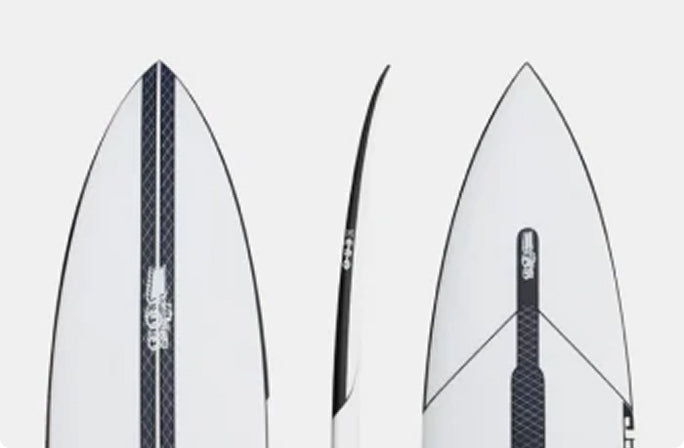
- The Solution: Look for a board with a slightly wider outline and a bit more volume. A "daily driver" shortboard or a performance fish works well here. You want enough foam to paddle through shifting peaks but enough maneuverability to turn in tight pockets.
Reef Breaks: Precision and Hold
Reefs are static, meaning the wave breaks in the same spot with mechanical perfection. These waves often pack more power and have steeper drops.
- The Challenge: You need to handle speed and fit into the curve of the wave.
- The Solution: You generally want a board with more rocker (curve) and a pulled-in tail (like a round pin). This shape fits better into the steep face of the wave and provides "hold," ensuring you don't slide out during a critical bottom turn.
Point Breaks: Flow and Speed
Point breaks offer long, peeling walls that allow you to link multiple maneuvers together.
- The Challenge: You need a board that maintains momentum down the line.
- The Solution: Boards with flatter rockers or specific fin setups (like quads or twin fins) excel here. A mid-length or a fast down-the-rail board allows you to race sections and draw out long, stylish turns.
Be Honest About Your Skill Level
It is tempting to grab the same high-performance potato chip that the pros are riding in the surf videos. However, on a surf trip, wave count is everything. If you can't catch them, you can't ride them.
The Beginner Surfer
If you are still mastering the pop-up or learning to trim down the line, volume is your best friend.
- Focus: Stability and paddle power.
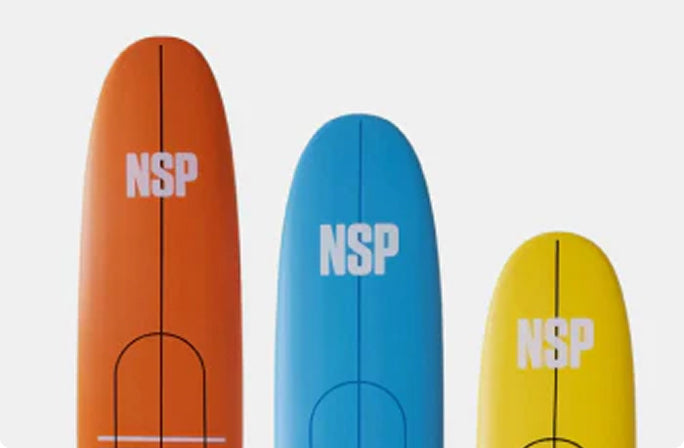
- Recommendation: Stick to funboards or longboards. They forgive mistakes and ensure you spend more time standing up than paddling.
The Intermediate Surfer
You can catch waves consistently and are working on your cutbacks and top turns.
- Focus: Progression and versatility.
- Recommendation: Avoid going too small. A high-performance groveler or a hybrid shape is excellent. It offers the paddle power you need to compete with a crowd but is responsive enough to help you improve your turns.
The Advanced Surfer
You know how to generate your own speed and are looking for critical positioning in the bowl.
- Focus: Specificity and performance.
- Recommendation: You likely know exactly what dimensions you like. However, consider the "step-up." If you are traveling somewhere with heavier water than your home break, you will want a board with an extra inch or two of length to get you into the waves earlier.
The Logistics of Surf Travel
Before you zip up that coffin bag, let’s look at the reality of traveling with surfboards today. It is rarely as romantic as the movies make it seem.
The Hidden Costs
Airlines have become notorious for their surfboard baggage policies. Fees can range from €50 to over €200 each way. For a round trip, you might spend nearly the cost of a new board just to transport your old one.
The Risk of Damage
There is a specific kind of heartbreak reserved for surfers who open their board bag at the baggage claim only to find a buckled nose or a crushed rail. Despite bubble wrap and pipe insulation, baggage handlers are not known for their delicate touch. A damaged board means spending your first two days searching for a ding repair guy instead of surfing.
The Transport Hassle
Traveling with a 7-foot coffin bag limits your mobility. It often won't fit in standard taxis or rental cars, forcing you to pay for expensive van upgrades or struggle with roof racks in a foreign country.
Why Renting is the Smarter Move
The surfing world is shifting. The old stigma that rental boards are just beat-up foamies is gone. We are in the era of high-performance surfboard rental for travel, and it is changing the game for intermediate and advanced surfers.
Unmatched Flexibility
Conditions change. You might arrive expecting 4-foot fun waves, only to be greeted by a 6-foot swell. If you brought your small-wave fish, you are out of luck. Renting gives you access to a quiver. You can ride a longboard on the small days and swap it for a step-up when the swell pulses.
Ride What the Locals Ride
Shapers design boards specifically for local waves. A board shaped on the Gold Coast of Australia is designed to work perfectly on those point breaks. By renting premium boards at your destination, you are often accessing equipment that is tuned specifically for the waves you are about to surf.
Test Before You Buy
Think of renting as a high-quality demo program. Have you been eyeing a specific shape or volume but aren't ready to drop $800 on a guess? A surf trip is the perfect time to test different designs in good waves. You get the data you need to make an informed purchase later.
Travel Light, Surf Right
There is a profound sense of freedom in walking through the airport with just a carry-on backpack. No oversized luggage queues, no stress about dings, and no wrestling a board bag into a tuk-tuk. You arrive fresh, pick up a premium board that suits the conditions perfectly, and paddle out.
Simplify Your Surf Trip
The perfect surfboard is the one that works best for the waves you are surfing today. Unless you own a massive quiver and have an unlimited baggage budget, bringing your own gear is often a compromise.
By choosing to rent, you prioritize the experience over the logistics. You gain flexibility, save money, and ensure that no matter what the ocean delivers, you have the right tool for the job.
Ready to upgrade your travel experience?
Browse Quiver Go’s extensive selection of premium surfboards at top surf destinations worldwide. Book your dream board today and travel light on your next adventure.